Examining Touchscreen Designs and Their Impact on Accessing Deposit-Free Spin Packages in Regulated Gaming Apps
Written by Klara Günther · Aug 20, 2026
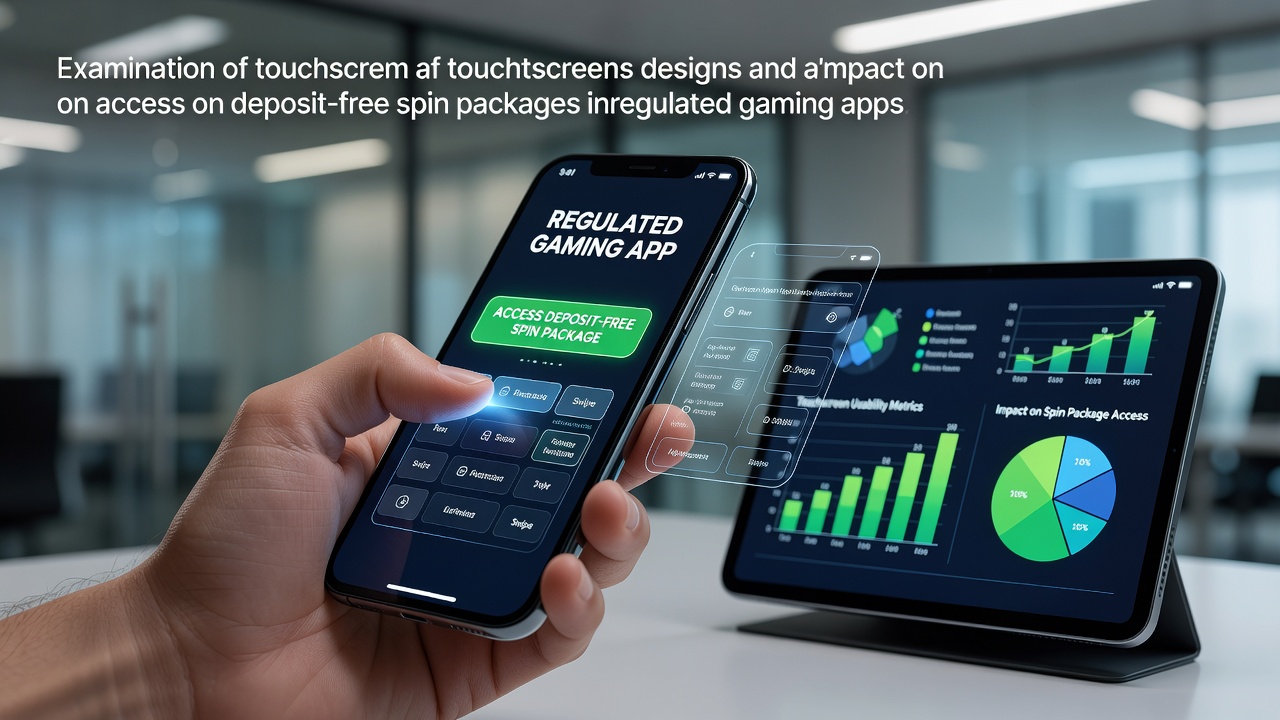
Examining Touchscreen Designs and Their Impact on Accessing Deposit-Free Spin Packages in Regulated Gaming Apps
Touchscreen Elements Shape Bonus Interactions
Regulated gaming apps rely on precise touchscreen layouts that determine how users locate and claim deposit-free spin packages, and data from mobile interface studies show that button size, placement, and gesture recognition directly influence completion rates for these offers. Developers adjust swipe zones and tap targets to match regulatory guidelines that require clear visibility of promotional elements, while operators in markets such as those overseen by the Alcohol and Gaming Commission of Ontario integrate these features to maintain compliance across Android and iOS platforms.
Screen density and finger-friendly controls matter because users often navigate through multiple menus before reaching the spin package section, and researchers have observed that apps with larger hit areas reduce accidental exits during the claim process. Haptic feedback combined with visual highlights further guides selections, yet the same studies note that inconsistent vibration patterns across devices can create momentary confusion when players attempt to confirm their free spin activation.
Gesture Controls and Navigation Patterns
Modern apps incorporate swipe-to-reveal mechanics and long-press actions that surface deposit-free spin packages without cluttering the main lobby, and evidence from interface testing indicates these gestures improve access speed when implemented consistently. Developers test thumb-reach zones on various device sizes because players frequently hold phones one-handed during short sessions, whereas apps that place critical buttons near screen edges report higher completion metrics in internal analytics.
Scroll depth also affects visibility, since many regulated titles bury bonus details below initial content folds to prioritize game thumbnails, and findings from user behavior logs reveal that infinite scroll implementations sometimes delay discovery of time-limited spin offers. Clear labeling paired with progressive disclosure helps maintain transparency required by licensing bodies, while pop-up confirmations triggered by specific touch inputs prevent unintended claims that could violate responsible gaming protocols.

Regulatory Standards Influence Design Choices
Jurisdictions including those monitored by the Massachusetts Gaming Commission have issued technical standards that mandate accessible controls for promotional features, and these rules require sufficient contrast ratios plus minimum tap target dimensions to support users with varying motor abilities. In August 2026 several North American regulators aligned their mobile app guidelines around unified accessibility benchmarks, prompting operators to audit existing touchscreen flows for deposit-free spin packages and adjust accordingly.
Industry reports from the International Gaming Institute at the University of Nevada document how compliance audits now include simulated touch interactions to verify that bonus activation sequences remain functional across different operating system versions. Operators must log every interface change that affects package visibility, which creates detailed records showing how design iterations correlate with claim volumes in regulated environments.
Device Variability and User Experience Data
Screen sizes ranging from compact phones to larger tablets produce different interaction challenges, and aggregated telemetry from regulated apps demonstrates that adaptive layouts which resize elements based on device orientation maintain higher access rates for spin packages. Foldable devices introduce additional variables because hinge areas can interfere with consistent touch registration, prompting developers to exclude those zones from primary navigation paths.
Operating system updates occasionally alter default gesture behaviors, and operators track these shifts through beta testing programs that measure how players locate and redeem deposit-free offers before full rollout. Accessibility features such as voice-over compatibility and switch control support further extend reach, while data indicates that apps providing multiple input methods experience broader participation in promotional activities across diverse user groups.
Conclusion
Touchscreen design choices in regulated gaming apps continue to determine the efficiency of deposit-free spin package access, with ongoing refinements driven by regulatory alignment and device-specific testing. Observers note that consistent application of gesture standards, clear visual hierarchies, and adaptive layouts support reliable interaction patterns, and further developments in August 2026 and beyond will likely build on current benchmarks established by licensing authorities and research institutions.