Decoding How Transaction Methods Influence Access to Starting Incentives in Smartphone Slot Applications
Written by Taylor Beck · Oct 20, 2026
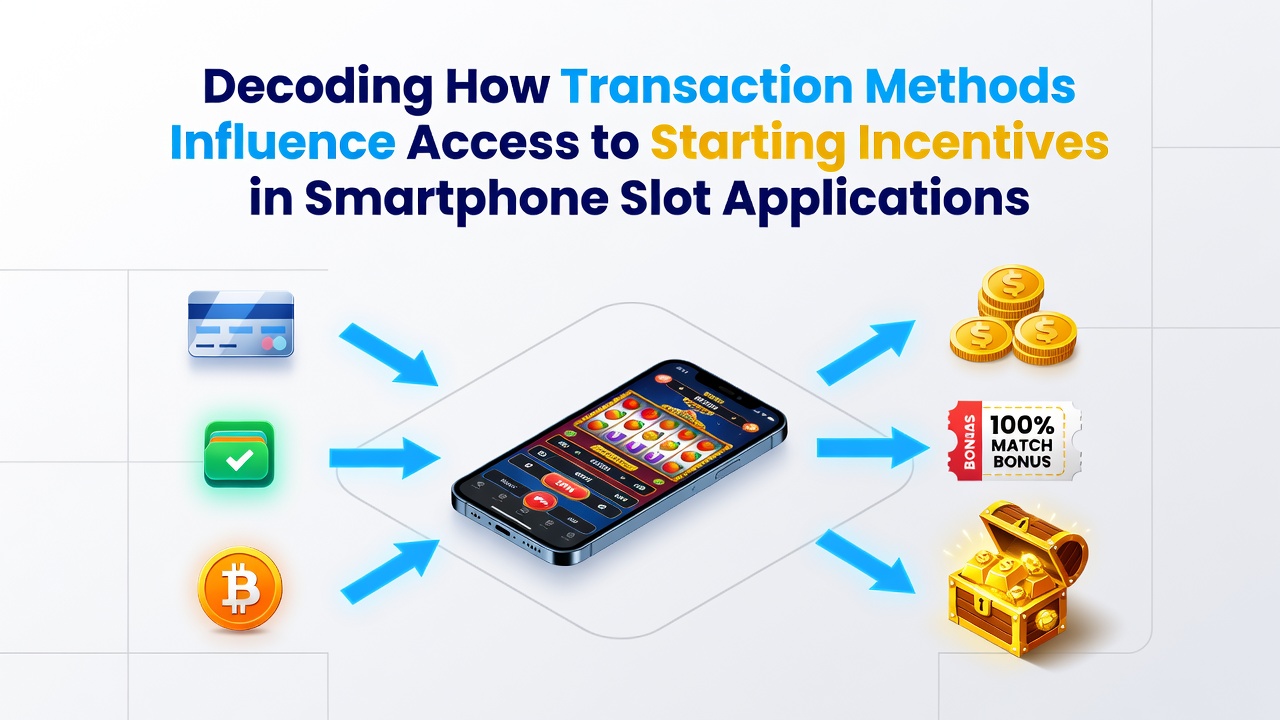
Decoding How Transaction Methods Influence Access to Starting Incentives in Smartphone Slot Applications
Transaction methods shape eligibility for starting incentives in smartphone slot applications through verification speed, regulatory filters, and platform-specific rules that operators apply at the deposit stage. Different payment channels trigger distinct processing sequences, and these sequences determine whether users receive deposit-match credits or free spin packages upon first funding their accounts.
Common Payment Channels and Their Processing Characteristics
Bank transfers move funds directly from user accounts to operator wallets, yet they often require manual verification steps that extend the time before incentive codes activate. Debit and credit card deposits complete within seconds in most cases, which allows immediate qualification checks against bonus terms, while digital wallets such as those integrated with mobile operating systems reduce friction by pre-storing verified details. Cryptocurrency transfers add another layer because blockchain confirmations vary by network load, and operators must reconcile wallet addresses before releasing any introductory offers.
Regulatory Filters Applied to Payment Types
Regional frameworks impose conditions that link payment choice to bonus availability. In jurisdictions overseen by the Nevada Gaming Control Board, operators must document that certain card networks comply with anti-money-laundering thresholds before promotional credits issue, and similar documentation appears in reports issued by the Australian Communications and Media Authority. These requirements mean that a user selecting a high-velocity e-wallet may encounter an automatic flag that delays or blocks access to starting incentives until additional identity checks finish.
How Verification Timelines Affect Incentive Unlocking
Operators run automated risk-scoring algorithms the moment a deposit arrives, and the algorithm weighs the payment method against historical patterns of bonus abuse. A card deposit processed through a three-dimensional secure protocol often scores lower risk, which grants instant access to reel credits, whereas bank transfers or cryptocurrency deposits may route to manual review queues. Data compiled by academic researchers at the University of Nevada, Reno, shows that verification delays averaging 18 minutes reduce the percentage of users who complete the incentive claim flow by roughly 27 percent.
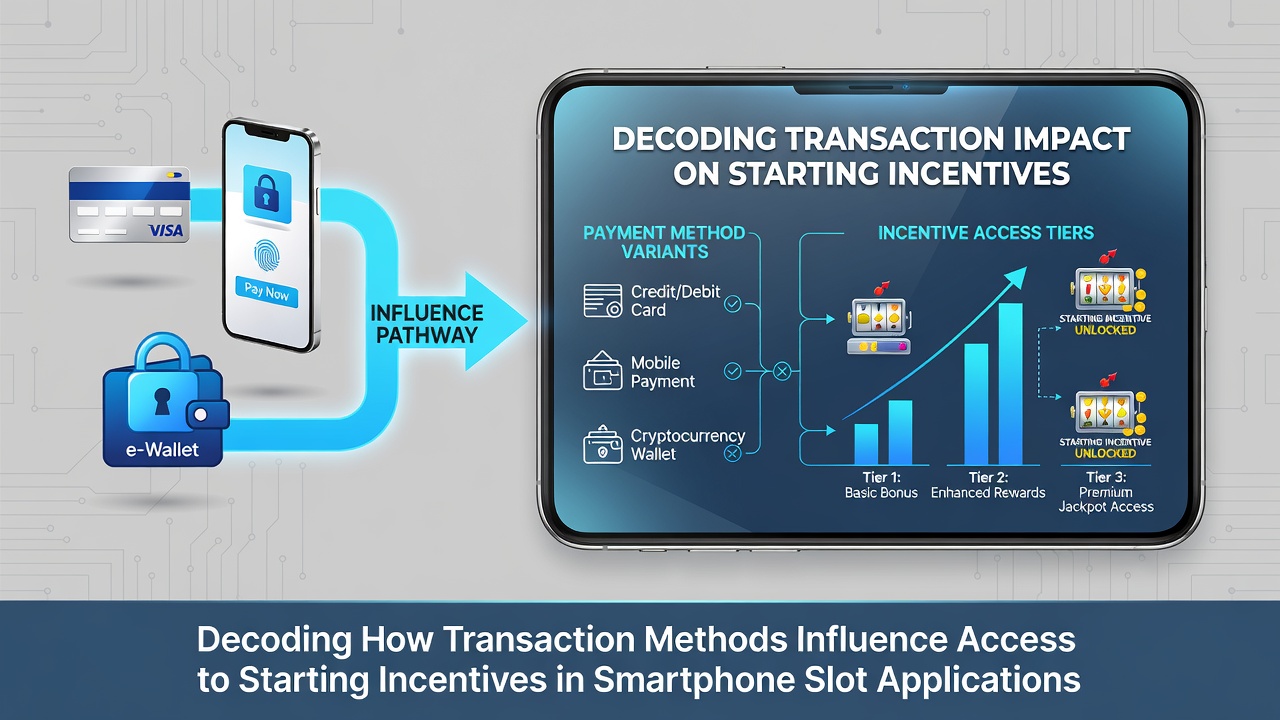
Platform-level rules further refine access. Many smartphone applications embed geofencing that cross-references payment origin with licensed territories, and this cross-reference occurs before any starting incentive balance appears in the user account. When a payment method originates from a region where the operator holds only a restricted license, the system withholds the promotional package until the user supplies supplementary documentation.
Observed Patterns Across October 2026 Data Sets
Industry monitoring conducted through October 2026 recorded a measurable shift toward mobile-native payment rails such as contactless bank transfers and in-app billing. These rails shortened average deposit-to-bonus timelines from 42 seconds to 11 seconds in markets where regulators permitted their use. At the same time, applications that continued to accept legacy card networks reported higher rates of declined bonus claims because issuers flagged recurring gambling transactions under consumer-protection guidelines.
One analysis of aggregated transaction logs revealed that users who funded accounts via digital wallets completed the full sequence of identity confirmation and bonus activation 1.8 times faster than those relying on direct bank wires. The same dataset indicated that cryptocurrency-funded accounts experienced the longest reconciliation windows, averaging 9.4 minutes, and consequently showed lower overall incentive redemption rates.
Conclusion
Payment method selection functions as a gatekeeper for starting incentives in smartphone slot applications because each channel carries distinct verification requirements, risk scores, and regulatory overlays. Operators align their systems to these variables so that incentive distribution remains compliant while users experience varying degrees of friction depending on the chosen rail. Continued evolution of mobile payment standards will likely recalibrate these access pathways in subsequent reporting periods.