Budget Adjustments Prompt Scrutiny Over Gaming Venue Licensing Practices
Written by Otto Powell · Nov 3, 2026
Budget Adjustments Prompt Scrutiny Over Gaming Venue Licensing Practices
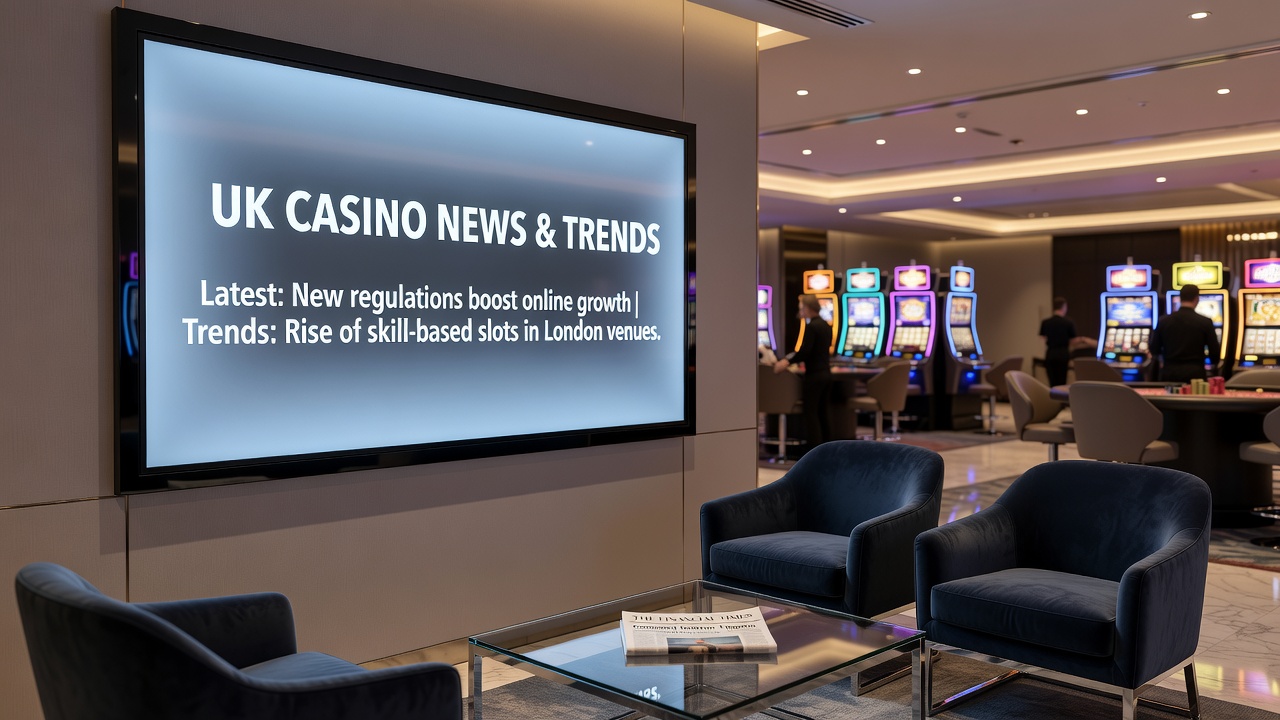
Following the UK Chancellor John Healey’s Budget announcement on October 28, 2026, which increased Machine Games Duty on slot machine takings from 20% to 25% effective April 2027 and ended business rates discounts for adult gaming centres along with vape shops, attention has turned to how certain high-street venues might retain eligibility for relief through existing bingo licences. The measures aim to support high streets by reallocating resources, yet records from the Gambling Commission reveal that many adult gaming centres operated by firms such as Merkur and Admiral already hold bingo licences even when their primary activity centres on slot machines.
Details of the Tax and Rates Changes
The duty rise applies directly to takings from gaming machines while the removal of discounts affects premises that previously benefited from reduced business rates; these steps form part of broader fiscal adjustments announced for the 2027 financial year onward. Venues classified strictly as adult gaming centres face higher operational costs starting in spring 2027, and the policy shift has prompted operators to examine alternative licensing routes that could preserve some financial advantages. Data from regulatory filings shows hundreds of such sites across the UK high street network, many of which maintain dual permissions that include bingo operations alongside machine gaming.
Analysis of Licensing Records and Venue Operations
Guardian examination of Gambling Commission data indicates that numerous adult gaming centres hold bingo licences despite offering limited or token bingo facilities, such as unused tablets in some locations; this setup allows the venues to retain classification benefits tied to bingo permissions. Major operators including Merkur and Admiral feature prominently in the records, with their sites listed under bingo categories even as slot machines dominate floor space and revenue streams. Observers note that the licensing framework permits this dual status because bingo licences historically covered a range of gaming activities, creating pathways that remain available under current rules.
Potential Implications for High-Street Venues
Venues operating under these licences could continue accessing business rates relief that the Budget otherwise withdraws from pure adult gaming centres, and this situation has led to calls for licensing reforms to align permissions more closely with actual business activities. The changes take effect in April 2027, giving operators time to review their holdings while regulators consider updates to prevent unintended continuations of discounts. Figures from the Gambling Commission highlight that bingo-licensed arcades represent a notable portion of the high-street gaming sector, with many sites concentrated in urban retail areas where footfall supports machine-based play over traditional bingo sessions.
Reforms under discussion would require clearer distinctions between primary and secondary activities when granting or renewing licences, and government advisors have received recommendations to tighten criteria so that bingo permissions reflect genuine operational focus rather than supplementary offerings. Those who have reviewed the records point out that tablet-based bingo in otherwise slot-heavy environments meets minimal thresholds for licence maintenance, which in turn preserves access to rates discounts until policy adjustments close the pathway.
Industry Context and Regulatory Background
Adult gaming centres have operated under a mix of permissions for years, with bingo licences providing one category that overlaps with machine gaming allowances; the Budget measures target the financial relief previously available to these premises while leaving the underlying licensing structure unchanged for the moment. Companies like Merkur and Admiral maintain extensive portfolios where bingo status coexists with slot-focused offerings, and this arrangement stems from earlier regulatory periods when combined licences supported diverse gaming formats on the high street. The November 2026 period following the Budget has seen increased attention to these records as operators and local authorities assess the coming cost increases and any available mitigations through existing permissions.
Calls for reform emphasise the need to update licensing guidelines so that business rates treatment matches the dominant activity at each site, and the government has been urged to incorporate such changes into upcoming reviews of the Gambling Act framework. Analysis of the records continues to identify additional venues that may qualify under current bingo provisions, underscoring the scale of the overlap between licence types and actual operations across the sector.
Conclusion
The Budget adjustments announced in late October 2026 introduce higher duties and reduced rates relief for adult gaming centres starting April 2027, while Gambling Commission data reveals that bingo licences held by major operators could sustain some discounts for qualifying sites. Reforms to licensing criteria remain under consideration as a means to address the identified overlap, with the situation developing through the remainder of 2026 and into the implementation phase. Gambling Commission records on bingo-licensed venues provide the primary source for identifying these patterns across the high-street network.